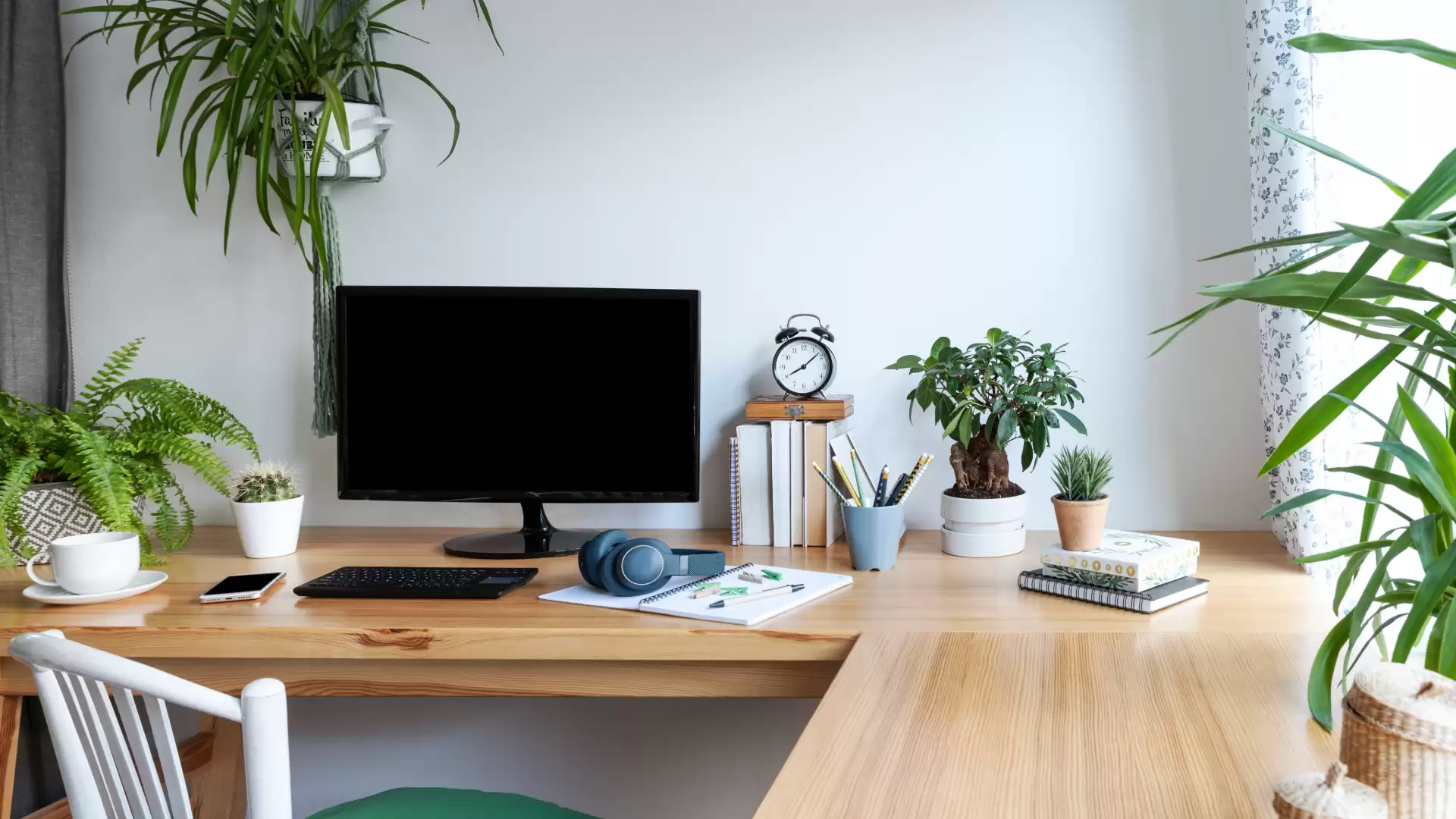
Start your checklist before you open a single property listing. Doing the money work first lets you search for homes with a clear head and a clear number.
Buying your first home in Point Cook, in Melbourne's south-west, can feel like a lot at once. It helps to take it one calm step at a time, beginning with what you can comfortably afford. If you would like local guidance along the way, our Point Cook first home buyers page explains how we work with buyers in the area.
When Should a First Home Buyer Start Preparing?
Aim to start preparing three to six months before you plan to make offers. That gives you time to build savings, tidy up your spending and learn which schemes you may qualify for.
The early months are for quiet groundwork. Check your savings pattern, review any credit card limits and personal loans, and decide whether you are buying alone or with someone else. Lenders look at your whole financial picture, so small tidy-ups early on can reduce surprises later. Our buying your first home guide covers the wider journey if you want more background.
How Do You Set a First Home Buyer Budget You Can Live With?
Set your budget by working out a monthly repayment you can sustain, then test it in real life before you commit. Your borrowing capacity shows the maximum a lender may offer, but that is not always the amount that feels comfortable.
As an example, consider a couple who find they could borrow well above $600,000. They want to know what a $600,000 loan would feel like each month. At an illustrative rate of 6.75% p.a. over 30 years, the principal and interest repayment is about $3,890 a month. This is an example only, and your actual rate will depend on your deposit size and lender.
They put the difference between their current rent and that repayment into savings for three months, and they add a buffer for rates, water, insurance and maintenance. They find the repayment is manageable but tight, so they choose a lower loan amount. They end up with a budget that leaves room to breathe. You can run your own numbers with the mortgage repayment calculator, and see what lenders may offer through our borrowing capacity page.
Ready to get started?
Book a chat with a Finance & Mortgage Broker at Relax Home Loans today.
Which Victorian First Home Buyer Concessions Apply?
In Victoria, eligible first home buyers pay no stamp duty on a dutiable value up to $600,000, with a reduced amount of duty up to $750,000. The $10,000 First Home Owner Grant applies only to new homes with a dutiable value up to $750,000, and not to established homes.
You need to live in the home as your principal place of residence for at least 12 months, starting within 12 months of settlement. The concession can be claimed once. Rules and thresholds change, so confirm your situation with the State Revenue Office Victoria before you sign a contract. This matters if you are comparing established homes with newly built ones, because the grant only applies to new homes.
Is the First Home Super Saver Scheme Worth Considering?
The First Home Super Saver scheme lets you release eligible voluntary super contributions towards a first home deposit. It can help some buyers save faster, but your money is locked into super until you request a release.
Up to $15,000 of voluntary contributions in any one financial year count towards the scheme, and $50,000 in total. Tax is withheld when you request your release, and part of the amount is added to your taxable income. You must request a determination from the ATO before you own any property, so timing matters. Speak with your accountant about how it fits your tax position, because outcomes differ from person to person.
What Are Your Low Deposit Options?
Two federal schemes can help if you have less than a 20% deposit: the 5% Deposit Scheme and Help to Buy. Each has a trade-off. Help to Buy participants generally cannot receive other government loan support or shared equity, so confirm with a participating lender or Housing Australia whether the two schemes can be used together.
Under the 5% Deposit Scheme, eligible first home buyers can buy with a 5% deposit and avoid Lenders Mortgage Insurance, because Housing Australia backs part of the loan. The backing protects the lender, not you, and you remain responsible for all repayments. In Victoria the price cap is $950,000 for capital city and regional centres, and $650,000 for other areas. The exact cap for a suburb depends on its postcode in Housing Australia's search tool. Our low deposit loan page and LMI waivers page explain the options in more detail.
Help to Buy works differently. The Australian Government contributes 5% to 30% of the price of an existing home, or up to 40% for a new one, in exchange for an equity share. You do not make monthly repayments, or pay interest or rent, on the government's share. However, you repay it when you sell or buy it back. You may also be required to repay part or all of it if your income stays above the threshold for two consecutive years and you can afford to. The government shares in any rise or fall in value, and you must live in the home. For 1 July 2026 to 30 June 2027, income thresholds are $103,000 for a single applicant and $165,000 for joint applicants. Read more on our Help to Buy Scheme page. Both schemes are applied for through a participating lender.
When Should You Get Pre-Approval?
Get pre-approval before you attend inspections seriously or bid at auction. It gives you a lender-assessed price range, though it is conditional and not a final offer of finance.
The lender can still change its decision if your finances or the property's valuation change. If you are using Help to Buy, you should have conditional approval from a participating lender and Housing Australia before you put down a deposit or bid at auction.
Take your time with this step. Having approval in place means you can look at homes with a settled mind, knowing your limit before you fall in love with a place.
Call one of our team or book an appointment at a time that works for you through our book appointment page, and we will walk through your checklist together at a pace that feels comfortable.
Frequently Asked Questions
When should a first home buyer start preparing to buy?
Aim to begin three to six months before you plan to make offers. This gives you time to build savings, review debts and learn which schemes you may qualify for.
Do first home buyers pay stamp duty in Victoria?
Eligible first home buyers pay no stamp duty on a dutiable value up to $600,000, with a reduced amount up to $750,000. You must live in the home for at least 12 months, so confirm your eligibility with the State Revenue Office Victoria.
Can I buy a home with a 5% deposit?
Eligible first home buyers can use the Australian Government 5% Deposit Scheme through a participating lender, which avoids Lenders Mortgage Insurance. Price caps apply, and you remain responsible for all repayments.
Does pre-approval guarantee I will get the loan?
No. Pre-approval is conditional, and the lender can change its decision if your finances or the property valuation change. It does show you a likely price range before you start bidding.